Canada Immigration 2025: Mark Carney’s Bold & Strategic Plan for Canada Immigration 2025
A Turning Point for Canadian Immigration
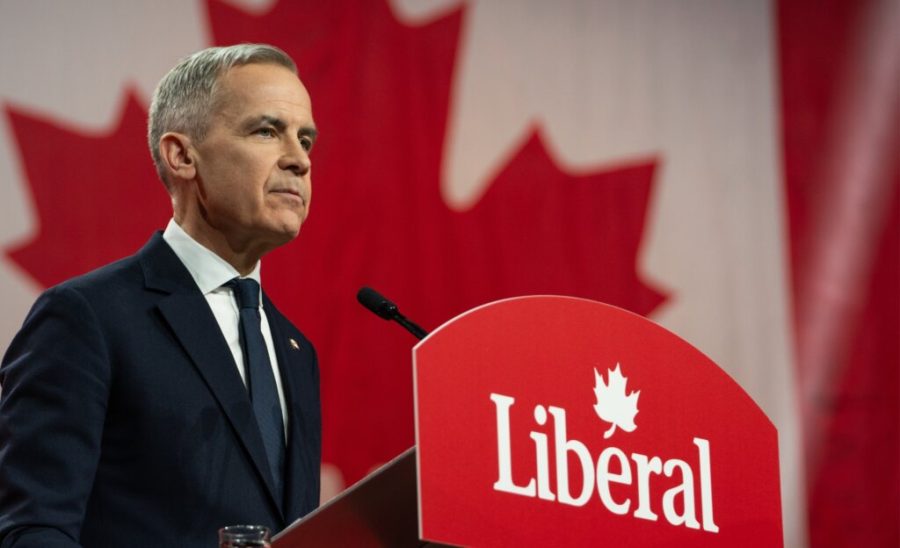
Following the 2025 federal election, Canada embarks on a significant transformation under Mark Carney, the newly elected Prime Minister and leader of the Liberal Party. With promises centered on sustainability, economic growth, and cultural diversity, Carney’s immigration blueprint aims to stabilize and modernize the system.
In this article, we break down the key pillars of the Mark Carney Canada Immigration 2025 strategy, examine the political context, and discuss what it means for immigrants and Canadians alike.
Mark Carney’s Immigration Vision
Mark Carney’s vision follows what the Liberals termed a period of “unsustainable” immigration growth under previous governments.
The new approach is about balance — ensuring Canada remains welcoming to newcomers while safeguarding its economic infrastructure and cultural fabric.
During his campaign, Carney stressed the need to “get back on track,” referencing the strain immigration surges placed on housing, healthcare, and public services during and after the COVID-19 pandemic.
Stabilizing Permanent Resident Admissions
Keeping PR Levels Under 1% of Population
One of the core commitments of Mark Carney’s Canada Immigration Plan 2025 is to stabilize permanent resident (PR) admissions to less than 1% of the national population annually beyond 2027.
Targets:
- 395,000 PRs in 2025
- 380,000 PRs in 2026
- 365,000 PRs in 2027
This is a significant reduction from earlier Liberal targets of 500,000 annually, proposed under Justin Trudeau.
Related Video: Why Canada Adjusted Its Immigration Levels
For immigrants, this means more predictable pathways and less strain on social services, while helping the country better manage housing and employment opportunities.
Reducing Temporary Resident Numbers
Capping Temporary Residents to Sustainable Levels
Temporary residents have surged to 7.25% of Canada’s population as of January 2025, creating unsustainable pressures.
Key Liberal Target:
- Reduce temporary residents to under 5% by the end of 2027.
Strategies include:
- Capping study permit approvals
- Tightening Post-Graduation Work Permit (PGWP) rules
- Restricting Spousal Open Work Permits (SOWPs)
- Encouraging transitions to PR for those already inside Canada
Mark Carney emphasized during his speech:
“We will cap immigration until we expand housing and reabsorb pandemic-era population growth.”
This move will create a more competitive environment for international students and temporary foreign workers but will prioritize permanent residency opportunities for those already contributing to Canada’s economy.
Boosting Francophone Immigration
Strengthening French-Speaking Communities Outside Quebec
The Liberals are significantly increasing the target for francophone immigration outside Quebec, aiming for 12% by 2029.
New Targets:
- 8.5% in 2025
- 9.5% in 2026
- 10% in 2027
This strategy focuses on bolstering French-speaking communities in:
- Ontario
- New Brunswick
- Manitoba
Programs like the Francophone Community Immigration Pilot are set to receive additional funding and expanded reach.
Learn More: How Canada Supports Francophone Communities
For French-speaking immigrants, this represents exciting new pathways and strong government backing for integration outside of Quebec.
Focusing on Economic Growth
Prioritizing Skilled Talent and Streamlining Credential Recognition
Economic immigration will remain front and center under Mark Carney’s plan.
The Liberals aim to:
- Revamp the Global Skills Strategy for faster work permit processing (within 2 weeks)
- Streamline credential recognition for foreign-trained professionals, especially in healthcare and trades
- Attract skilled workers from the U.S. and globally
By simplifying barriers to professional licensing, Canada hopes to quickly fill labor shortages in critical sectors.
By 2027, 62% of all PR admissions are projected to be from the economic class.
Programs to watch:
- Express Entry
- Provincial Nominee Program (PNP)
- Canadian Experience Class (CEC)
Other Key Promises: Efficiency, Fairness, Security
Creating a Modern, Balanced Immigration System
In addition to target adjustments, the Liberals commit to:
- Digitalizing immigration services to cut processing times and eliminate backlogs
- Providing legal aid for asylum seekers to ensure fair access to justice
- Strengthening border security and cracking down on immigration fraud
- Collaborating with Quebec under the Canada-Quebec Accord for shared responsibility
Mark Carney’s platform blends technological modernization with stronger enforcement, aiming to restore public confidence in Canada’s immigration system.
Public Sentiment and Infrastructure Pressure
Between 2021 and 2024, Canada’s population surged, largely through temporary residents.
While this influx helped during labor shortages, it strained:
- Housing availability
- Healthcare systems
- Social services
A 2025 Angus Reid poll found that most Canadians now support lower immigration targets, citing affordability and service access concerns.
Mark Carney’s plan directly addresses these pressures while ensuring Canada remains a beacon for global talent and cultural diversity.
Opportunities and Challenges Ahead
Balancing Growth and Sustainability
Opportunities:
- Easier PR transitions for international graduates and workers already in Canada
- Stronger support for French-speaking immigrants
- Expanded career options for skilled professionals in healthcare, trades, and tech
Challenges:
- Increased competition for new study permits and work permits
- Caps may limit family sponsorships and refugee admissions
- Need for rapid housing and infrastructure expansion to meet population needs
The next few years will be crucial for Canada to balance its welcoming ethos with sustainable development.

FAQs: Canada Immigration 2025
Who is the Prime Minister of Canada in 2025?
Mark Carney is the 24th Prime Minister of Canada, elected after the 2025 federal election.
Who won the Canada election in 2025?
The Liberal Party of Canada, led by Mark Carney, won and formed a minority government.
Will immigration to Canada be harder in 2025?
Entry may become more competitive due to stricter caps on temporary residents and study permits, but permanent residency pathways for those already in Canada will be strengthened.
What are the new immigration targets for 2025?
395,000 new permanent residents in 2025, dropping slightly each year to 365,000 by 2027.
How will economic immigration change?
Economic immigration will be prioritized, with a heavy focus on skilled trades, healthcare, and tech workers.
A Balanced Future for Canada
Mark Carney’s 2025 immigration plan signals a new era of smart, sustainable immigration in Canada.
By stabilizing permanent resident admissions, reducing temporary resident numbers, supporting francophone communities, and turbocharging economic immigration, the Liberals aim to build a stronger, more inclusive Canada for future generations.
The coming years will be crucial — not just for policymakers, but for newcomers seeking their Canadian dream.
Stay tuned as Mark Carney’s Canada Immigration 2025 plan unfolds, reshaping the future of a nation built by immigrants.