Cost of Studying in Canada: Tuition, Living & Hidden Costs

Canada is one of the most preferred locations for international students. It offers a combination of quality education, multicultural background, and opportunities for personal and professional growth. The desire of many students to study in Canada is due to the high standard of institutions, security, and welcoming environment. However, it’s important to understand that the cost of studying in Canada is very high and goes beyond just tuition fees.
It is important to be aware of all the costs when studying abroad. Understanding the real cost of studying in Canada helps you consider your education and living expenses more carefully. By knowing such aspects, you can plan your budget better and spend time in Canada without the unnecessary financial burden.
Tuition Fees for International Students in Canada
The cost of studying in Canada varies depending on the school and the course you select.
Average Tuition Costs by Level
The average cost of studying in Canada varies depending on the program and institution. Generally, undergraduate programs have higher costs compared to diploma or certificate courses.
Undergraduate Programs
Tuition fees may be $40,115, depending on the program. Medical courses and engineering are typically higher-end.
Postgraduate Programs
The graduate school programs will cost $23,000 per year. The cost of business, law, and health science programs can be higher
Diploma and Certificate Courses
Such programs tend to be between CAD $10,000 and CAD $25,000 per year.
Comparison of Public vs Private Universities in Canada
Public universities in Canada are generally more affordable for international students because they receive government funding, which helps keep the cost of studying in Canada lower.
The cost of studying in Canada in private universities is usually high because they are not supported by the government. Although public universities are cheaper and more widespread, private ones might be of interest to students who want to obtain a more customized educational experience. The most affordable form of Canadian education costs is usually public universities for international students.
Top Affordable Universities in Canada
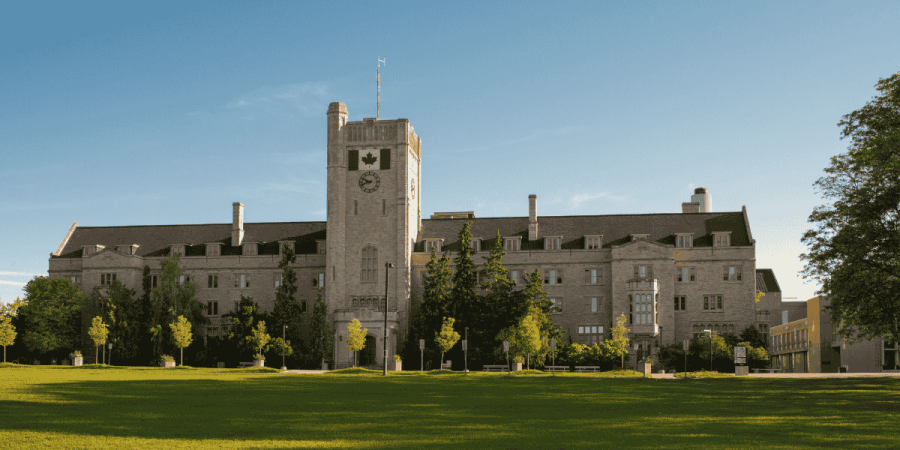
- University of Manitoba
- University Canada West
- Memorial University of Newfoundland
- University of Saskatchewan
- University of Regina
Living Expenses for Students in Canada

Living expenses vary depending on the place of study. Here’s the breakdown of typical Canadian student living expenses:
Accommodation
In Canada, you can usually pay rent every month in case you reside in private housing outside the university. If you live in one of the student halls or campuses, you might be required to pay your accommodation fees as an annual program.
These accommodation expenses are related to the city and the mode of living. It is usually advisable to save 25% of your money on housing. The average accommodation is about $500 – $2,000 per month
Food and Groceries
You have to cook by yourself or even share cooking with your friends, especially when you live off campus. Look at the prices in the major national grocery stores in Canada online. And you can even download apps and compare the prices or get the best offers.
If you are a student living on campus, you can enroll in the meal plan. This can provide you with the cafeteria of your college or university to have all your meals. The average food and groceries price is about $240 – $480 per month.
Transportation
Student rates are provided in many cities related to the use of public transportation. As a college or university student, ask your school whether or not a transport pass is part of your tuition fee.
Some international students purchase a vehicle. If you want to do this, add the price of your automobile, motor vehicle insurance, gasoline, maintenance, repairs, and car parking charges. The average cost is about $80 – $156 per month for a transportation pass
Lots of communities have bike trails in recreational spots and bike lanes on high-traffic streets. Even some of the big cities have a bike-sharing program, and you can rent a bike to make short routes.
Utilities and Internet
Monthly expenses for a household that includes basic utilities like electricity, heating, cooling, water, and garbage disposal normally range from approximately $100 or more, based on the use and location.
Internet service can be considered reliable, and the range of prices is between $50 and $100 a month, depending on the provider and speed of the connection.
Health Insurance
In Canada, health care is offered to the citizens of each province and territory. As a foreign student, you should find out whether your province or territory provides you with health insurance.
In provinces where international students are not covered, your school will provide you with medical insurance plans to buy. The usual health insurance is $75 – $120 per month.
Additional and Hidden Costs
In addition to the cost of studying in Canada and the normal cost of living, consider some other hidden costs:
Textbooks and Course Materials
Canadian international students may spend between CAD $500 and CAD $1000 in textbooks and course materials every year. The precise value will differ in accordance with program and course requirements. As an example, the cost of books and supplies per term at Simon Fraser University is estimated to be about CAD $1,020 for international students. Trinity Western University estimates the CAD $1,500 for books and supplies.
Winter Clothing & Personal Expenses
Winter necessities such as coats, boots, gloves, and scarves should be budgeted between CAD $200 and CAD $500 by the international students.
Student Activity Fees
Student activity fees are charged in most universities in Canada and help to finance extracurricular activities, student organizations, and leisure services. These charges usually vary between CAD $50 and CAD $200 per year.
Emergency Funds
International students should consider putting up an emergency fund to cover emergency costs. The Government of Canada suggests saving 3- 6 months of living costs. An example, if monthly spending is CAD $1,500, an emergency savings of CAD $4,500 to CAD $9,000 would be wise.
This consideration of these extra and concealed costs will enable the international students to plan their study abroad in Canada expenses better and to have a smooth time studying in Canada.
Proof of Funds for a Canadian Study Visa
You have to prove that you have sufficient funds to sustain yourself to get a Canadian study visa. This involves showing finances towards tuition fees, living expenses, and other expenditures.
What IRCC requires for study visa funds in Canada
- Tuition fees for one year
- GIC (Guaranteed Investment Certificate) of CAD $10,000
- Living expenses of at least CAD $10,000 for the year, plus CAD $4,000 for each dependent.
Tips for financial planning and documentation
- Calculate your monthly expenditure, including the cost of studying in Canada, living expenses, food, health insurance, and transportation.
- Keep regular bank statements with a stable financial flow for a few months.
- Retain documentation of payments like tuition fees, accommodation deposit, or health insurance.
- Prepare several funding documents – such as bank statements, GIC, scholarships, or sponsor letters.
- Do not deposit large amounts at a time because this can be questioned during the visa processing.
- Keep records in order and verify them for your application for a study permit.
Tips to Manage Costs Effectively
Managing your finances can make a big difference. Here are some tips to help you save:
- Search available scholarships and grants for international students. Financial assistance is provided by numerous universities.
- International students are allowed to work not more than 20 hours per week. Such on-campus employment may be used to meet living expenses.
- Cook meals at home
- Use public transport
- Look for student discounts
- Shop in bulk for groceries
- Mint, YNAB (You Need a Budget), and PocketGuard are some of the apps that can allow you to organize your budget and monitor your expenses.
Conclusion
The cost of studying in Canada may be expensive, yet it is possible to manage it with proper planning. An average yearly cost of studying in Canada, consisting of tuition and other living expenses, is between CAD $18,000 and CAD $50,000. It is possible to enjoy an excellent experience studying in Canada by having a budget and spending your money wisely.
To be sure that you are prepared, you should remember to estimate your own budget before applying. A successful study abroad depends on financial planning.
Frequently Asked Questions
The average cost of studying in Canada ranges from CAD $18,000 to CAD $50,000 per year, including tuition and living expenses.
You need to show sufficient funds to cover tuition and living expenses. The minimum requirement is CAD $10,000 for living costs plus your tuition fees.
Cities like Montreal, Quebec City, and Winnipeg offer more affordable living costs compared to Toronto and Vancouver.