Common LMIA Mistakes That Cause Refusals

When an employer in Canada wants to hire a foreign worker, they must apply for a Labour Market Impact Assessment (LMIA). The process of applying for an LMIA may be complicated, and numerous applicants commit mistakes. Such mistakes may result in delays, rejections, or even the prohibition of future applications. It is important to know the typical LMIA mistakes to be successful in such a process.
In the article, we will consider some of the most frequent LMIA errors committed by employers and their prevention.
What is an LMIA (Labour Market Impact Assessment)?

A Labour Market Impact Assessment (LMIA) is a document that employers in Canada must obtain before hiring foreign workers. The LMIA process helps ensure that hiring a foreign worker will not negatively affect the Canadian job market.
Some frequent LMIA mistakes include not providing adequate evidence of recruitment efforts or failing to meet the specific requirements set by Employment and Social Development Canada (ESDC). To avoid these pitfalls, employers should carefully review the guidelines and ensure all necessary documentation is complete and accurate before submitting their LMIA application.
Read: 10 Top Paying Jobs in Canada for Immigrants
LMIA Common Mistakes That Lead to Refusals
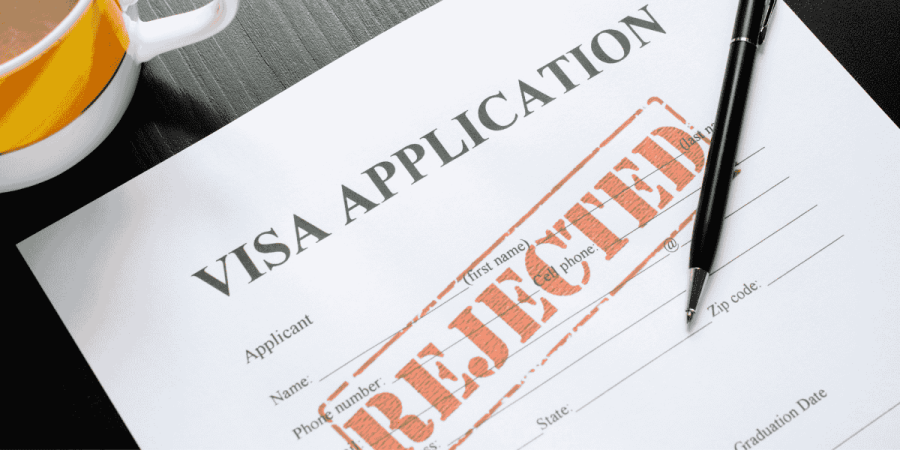
In the LMIA process, employers in Canada need to know about the usual LMIA pitfalls, which may result in rejection of applications and delays. To recruit a foreign employee, it is important to understand the complexity of the LMIA application. Below are five common LMIA mistakes to avoid, along with explanations and tips to help you navigate the LMIA process effectively.
-
Incomplete LMIA Application or Missing Documents
One of the causes of LMIA rejection is a poorly completed or incorrect LMIA application. The impact assessment of labour market needs all the details concerning the employer, the job position, as well as the recruitment process. The employers will have to provide all the required documents, like evidence of recruitment activities and the job description.
To prevent this error, double-check your forms and make sure that you have provided all the necessary documents. Lack of a document would result in rejection.
Read more about LMIA Delays Causing Work Permit Expirations.
-
Failure to Meet Recruitment Requirements
Before applying for an LMIA, employers must show they’ve tried to hire Canadian workers. Without evidence of a good recruitment campaign, your LMIA application will probably be rejected. The requirements during the recruitment process involve posting the job on a job bank and advertising for a specific period. In case none of the Canadian applicants can fit the requirements, a foreign worker could be an option.
To prevent this, make sure you satisfy all the recruitment requirements. Record the advertising methods and places used to promote the job. This may assist in showing that you have already attempted to employ locally before turning to a foreign worker.
-
Non-Compliance With Wage and Working Conditions
Employers are required to pay a wage that is within the local standards for the job position. For example, the median hourly wage in Ontario is about $36.00 as of 2024. In case your salaries are not high enough or do not correspond to the standards of the industry, your LMIA application is most likely to be rejected. Wage must also be in compliance with the code of NOC and the provincial standards.
Ensure that the job description and wage being offered are correct and meet the standards of the Canadian labour market. Fair wages will enable you to save from the LMIA mistakes.
Want to know the foreign workers’ rights in Canada? Click here.
-
Not Keeping Records of the Recruitment Process
The next most significant action during the LMIA application process is to maintain detailed documentation of your recruitment activities. These involve resumes received, interviews held, and reasons why some Canadian applicants were not suitable for the position.
To prevent LMIA mistakes process, do not forget to record all the steps in the recruitment process. This can prove very helpful in illustrating how you have met the rules of labour market impact assessment.
During the 2024-2025 year, Employment and Social Development Canada (ESDC) carried out 1,435 inspections of the Temporary Foreign Worker Program (TFWP) in terms of employers. Among them, 10% employers were not compliant.
How can Canada Shaws Help You?
Canada Shaws Consulting Inc. has licensed RCICs who consult the Canadian employers with regard to the LMIA application and labour market impact assessment procedure. We assist you by evaluating your eligibility to employ foreign workers, assist you in recruitment, job descriptions (including compliance with NOC codes), verifying that you satisfy recruitment criteria, payment rates for the position are competitive, and your LMIA application is filled out to prevent rejection or denial.
If you wish to go a step further, call us and make a free consultation appointment to have your case analysed, get a good overview of the process, and ensure that you do not commit those LMIA mistakes that make your application rejected.
How to Avoid Costly LMIA Mistakes?
To avoid LMIA rejection, employers are advised to engage an immigration consultant or lawyer who is conversant with the LMIA process. A consultant may save you from expensive errors, compliance, as well as your probability of LMIA acceptance.
These are some of the tips that would help avoid making mistakes:
- Complete the LMIA application form and include all the documents.
- Place all requirements of recruitment and maintain a record of your activities.
- Provide a salary that is within the job and labour market rates.
- Seek the services of an immigration consultant who will assist you in the process.
Wrapping Up
Existing LMIA rejection can be prevented through appropriate observation of rules, meeting the requirements, and giving correct information, and thus the employer will successfully hire foreign workers. It is important to observe the recommended guidelines, whether you are recruiting a temporary worker for an overseas position or recruiting a permanent worker, to avoid unnecessary delays and rejections.
It is better to stay out of expensive LMIA mistakes so that you will save time and money in the future. In case you are not certain about any of the steps involved in the application of LMIA, then it might be a good idea to seek the services of an immigration expert. Book a free orientation today and get expert guidance on how to navigate the complexities of hiring foreign workers.
Frequently Asked Questions (FAQs)
An LMIA may be refused if the employer fails to meet recruitment requirements, doesn’t demonstrate the need for a foreign worker, provides incomplete or incorrect documentation, or offers wages that don’t meet Canadian standards.
To correct LMIA mistakes on a work permit, contact Immigration, Refugees and Citizenship Canada (IRCC) to request a correction. You may need to provide supporting documents to confirm the correct details.
New rules around LMIA focus on making the process more transparent and improving the speed of processing. There are also stricter requirements for proving that no Canadian workers were available for the job before hiring a foreign worker.