Leveraging LinkedIn and Canadian-Style Resumes for Faster Job Hunting
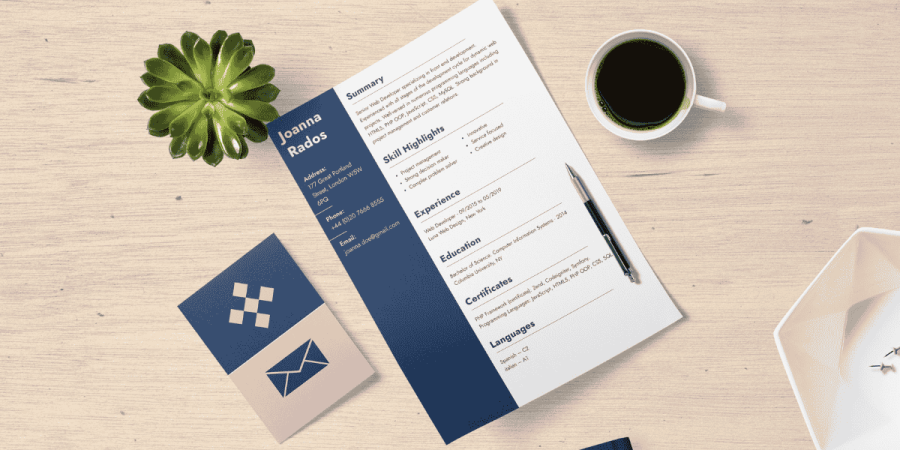
Are you hunting for a job in Canada? Remember, combining your Canadian-style resume with an active LinkedIn presence can help you land a job faster. Today’s job market is tough, and making your mark isn’t just about what you can do. It’s about how well you present yourself. For that, LinkedIn and your resume work best together. What Is a Canadian-style resume? For the newcomers, mastering both sides of this job-hunting process can make all the difference. LinkedIn builds your brand and network in the international world, while a resume can help you meet the local standards of job search. Together, these two not only highlight your achievement but also attract recruiters fast.
This guide will cover tips on leveraging LinkedIn and preparing a Canadian-style resume to accelerate your job search process. If you are looking for a work visa and immigration to Canada, Canada Shaw’s immigration experts can provide you with a complete roadmap of immigration. You can book a free orientation now.
Main Elements of a Canadian-Style Resume
Canadian-style resumes have a simple layout with the following information.
- Your contact information.
- A professional summary.
- Your work experience in reverse chronological order.
- Only include your relevant education or certifications.
- Your skills.
- Avoid providing your personal information.
A Step-By-Step Guide for Creating a Canadian-Style Resume

Here is a step-by-step guide to prepare a resume that meets the Canadian standards.
Step 1: Understand a Canadian-Style Resume.
In order to apply for a job in the Canadian market, you first need to understand the format. A Canadian resume is a one or two-page, concise document. It focuses on your relevant skills, experience, and education, omitting all the personal details such as photos, etc. The header part contains contact information. Each section of the resume should depict how you can add value to the role you are applying for. Canadian-style resumes follow two types of structures.
- Chronological structure: This format focuses more on the work experience, starting with the latest one first.
- Functional structure: This format focuses more on your skills. You have to use the keywords related to the job that are mentioned in the job description. You can add your experience section after skills.
Step 2: Write a Compelling Professional Summary
There should be a concise paragraph describing your professional summary. It should highlight your skills, experience, and career goals. It is recommended to edit and tailor this part according to the job you are applying for. Focus more on the job-specific traits rather than generic traits.
Step 4: Highlight Your Work Experience
- Mention your job experience in the reverse chronological manner, starting with the latest one first.
- Mention the job title, company name, and accurate dates of employment.
- While writing about your experience, focus more on your achievement.
- Make your employer understand how your experience can be impactful for the role you are applying for.
Step 5: Include Education and Certifications
- List your educational background.
- Mention your degrees, certifications, and any relevant courses.
- Mention your educational institute and the year you graduated.
Step 6: Add Skills That Match the Job Description
- In today’s job market, it is important to have the necessary skills to excel in your career.
- Add a skill section to your resume and mention relevant skills.
- Add skills related to both categories, such as soft skills and technical skills, which are relevant to your field.
- If you have some noticeable achievements, certificates, or project work, you can mention that as well.
- Be honest and truthful in whatever information you provide.
- Provide references when requested.
Step 7: Optimize for the Canadian Job Market
- In order to be successful, it is important that you change your approach according to the Canadian job market.
- Your LinkedIn profile should show your professionalism, which is highly valued by Canadian employers.
- A Canadian-style resume should not have any personal details and should be concise and professional.
- Build a strong network by engaging with Canadian recruiters on LinkedIn.
- By optimizing your resume and LinkedIn profile according to the Canadian job market, you can increase your chances of getting hired.
Step 8: Leveraging LinkedIn to Strengthen Your Resume
- It is important to understand that leveraging LinkedIn can help you strengthen your resume and be successful in your job hunt.
- Use a professional headshot and banner.
- Use relevant keywords in your “Headline” and “About” section.
- LinkedIn can be used as an extension of your resume. The achievements, projects, and portfolio that you can not mention in your resume can be added to your LinkedIn profile.
- LinkedIn adds depth and personality to your profile.
- Interact with the recruiters in your target industry to increase your visibility on LinkedIn.
Step 9: Review and Proofread Before Sending
- The next and most important step is to review and polish every detail before submitting your resume and LinkedIn profile.
- A professional format leaves a lasting impression on the recruiters.
- Make sure that your resume has clear and readable fonts.
- Double-check the spelling and grammar.
- Check that your LinkedIn profile has all the sections, such as a profile picture, banner, contact details, and a compelling about section.
- Don’t forget to check your resume through the ATS checker.
Read Tips to be Successful in the Canadian Job Market.
Common Mistakes to Avoid

- The most common mistake that applicants often make is to use the same resume for every job they apply for. Don’t use a generic resume. Tailor it according to the job.
- Focus more on your achievements than on responsibilities. You have to showcase the accomplishments you made in your previous role and the contributions you made to the company.
- Keep your resume to one or two pages.
- Do not add personal details.
- While highlighting your achievements, use clear action words.
- Don’t forget to add the latest contact information.
Canada Shaws for Immigration Assistance
If you are seeking to immigrate to Canada for study, a job, or to seek permanent residence, consider seeking help from the immigration experts of Canada Shaws. Our experts guide you at every immigration step from the beginning to the last step of landing your desired destination. Book a free consultation with us!
Conclusion
Leveraging a LinkedIn profile and preparing a Canadian-style resume with proper strategy and presentation can help you land a job in Canada. LinkedIn profile and resume both complement each other and can help you build a strong personal brand. A resume can give a formal and concise introduction to the recruiters. On the other hand, LinkedIn can be a detailed showcase for your professional achievements, portfolios, and projects. Together, these two can build a strong personal brand and network for you.
Dreaming of landing a job and working in Canada? Make Canada Shaw’s work visa consultants your immigration partners to start your immigration journey.
Frequently Asked Questions
Canada follows the reverse-chronological format. This format puts your latest work experience first and moves back in time.
Avoid including personal details such as marital status or any other personal information in your CV.
It’s not the norm in Canada to include a photo in a CV. While it may be acceptable in other countries, in Canada, it can lower your chances of getting hired.
Canadians mostly use a resume. A CV is typically used when applying for jobs abroad or in academic/research roles.